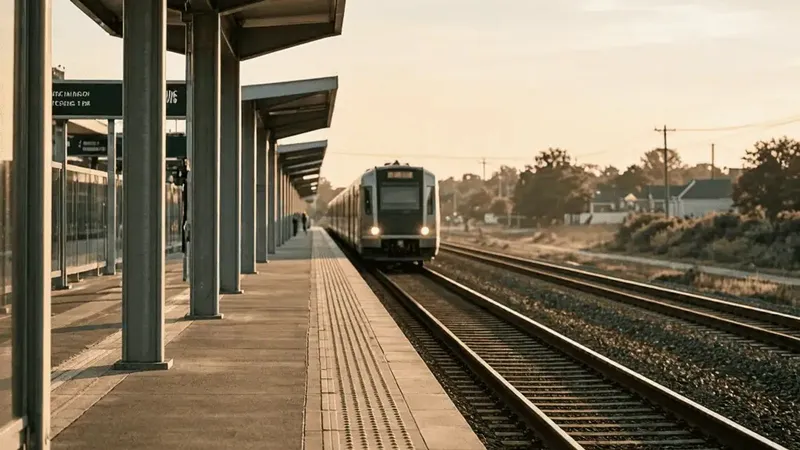
For years, the story was buyers leaving Toronto for the 905 — and that trend hasn’t slowed. What’s changed is how far west it now reaches, with the Hamilton–Burlington corridor emerging as one of the most active destinations for millennial buyers.
The price gap, in real numbers
The affordability case is no longer just a feeling — the numbers back it up clearly for some communities, and less clearly for others. Hamilton’s average sale price was $755,202 in May 2026, nearly 30% below the Toronto Regional Real Estate Board’s average of $1,069,700 the same month. That gap is the single biggest factor pulling buyers west.
Burlington tells a more complicated story: its average sale price climbed to $1,205,121 in May 2026 — actually higher than Toronto’s average that month, driven by a tight single-family market. Burlington is no longer the budget alternative it once was; buyers chasing real affordability are increasingly looking past it to Hamilton, Stoney Creek, and Waterdown instead.
What’s driving the shift
A few factors consistently come up in conversations with buyers relocating from Toronto and Mississauga:
- Relative affordability. Even with price growth, Hamilton and Stoney Creek continue to offer more home for the money than comparable Toronto neighborhoods.
- GO Transit access. The Lakeshore West line connects Hamilton’s West Harbour station, Aldershot, and Burlington to downtown Toronto — roughly an hour to Union Station from Burlington or Aldershot, and closer to 80 minutes from Hamilton, making a longer commute workable for hybrid schedules.
- Walkable downtowns. Areas like Westdale, downtown Dundas, and Waterdown Village offer the kind of walkable, café-lined main streets that many millennial buyers are looking for.
- Outdoor access. The Bruce Trail, Niagara Escarpment waterfalls, and lakefront parks are a significant draw for buyers prioritizing an active lifestyle — Dundas and Ancaster in particular trade on this.
Where the activity is concentrated
Westdale and Hamilton’s lower city continue to attract buyers looking for character homes near McMaster University, while Stoney Creek Mountain and Waterdown’s newer subdivisions appeal to those prioritizing newer construction and family-sized floor plans. Both paths land buyers within commuting range of Toronto while paying meaningfully less than the Toronto average for the home itself.
What this means if you’re buying or selling
For sellers, this sustained demand from outside the immediate area is a meaningful factor in how a home should be marketed — particularly for buyers who may be touring on weekends from further afield. For buyers, it means continuing to expect competition in the most walkable, transit-connected pockets, and recognizing that “outside the GTA” pricing isn’t uniform across this corridor — Hamilton and Stoney Creek currently make a stronger affordability case than Burlington does. If you’re weighing whether to rent first while you watch this market, renting vs. buying breaks down the trade-offs by community.
If you’re relocating to the Hamilton–Burlington corridor — or selling to someone who is — get in touch and I can help you understand how this trend is playing out on specific streets, or browse current listings to see what’s available now.